Description
The U.S. defense community finds itself facing a new global strategic environment with the bulk of its budget committed to legacy technologies, systems, doctrine and structures. The new threat environment challenges the core strategic infrastructure in a way never before seen. This seminar opens the debate for U.S. options.
As the United States and it historical allies enter the new decade, there are calls for a renewal of Western values and domestic and international unity to confront the emerging threats within a transforming global order.
The 2018 National Security Strategy identifies China, Russia, and Iran as the predominant threats immediately facing the United States. These challenges, coupled with major internal division arising from the coronavirus pandemic and partisan polarization, confront a new administration with the difficult task of forging a consensus on the requisite foreign and national security policy.
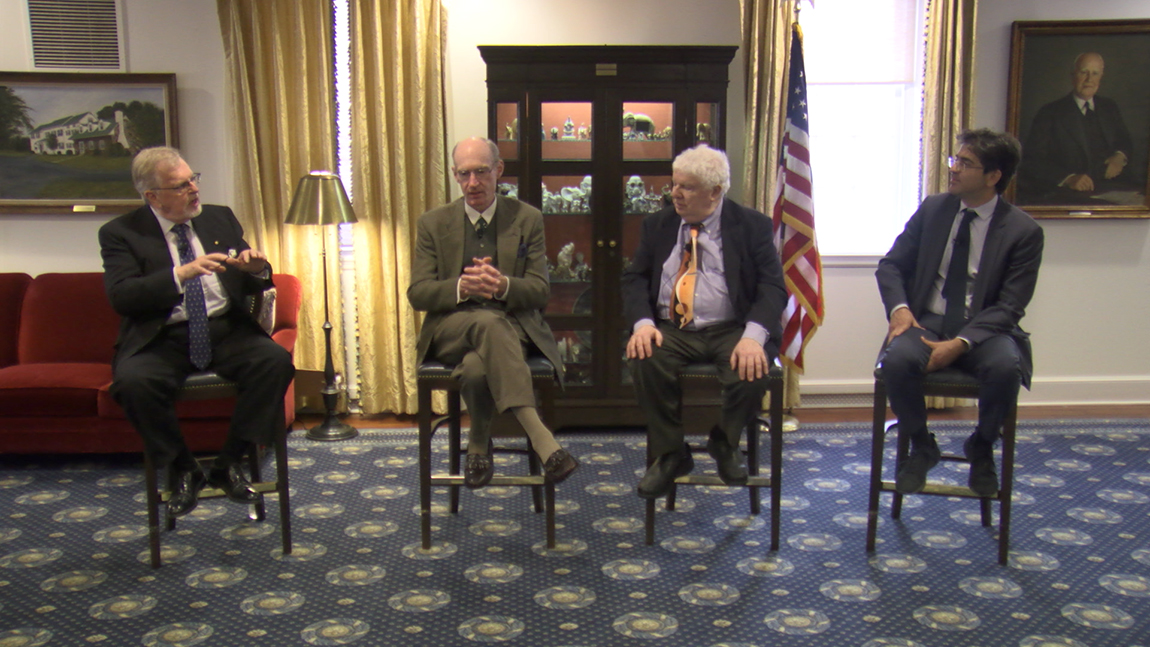
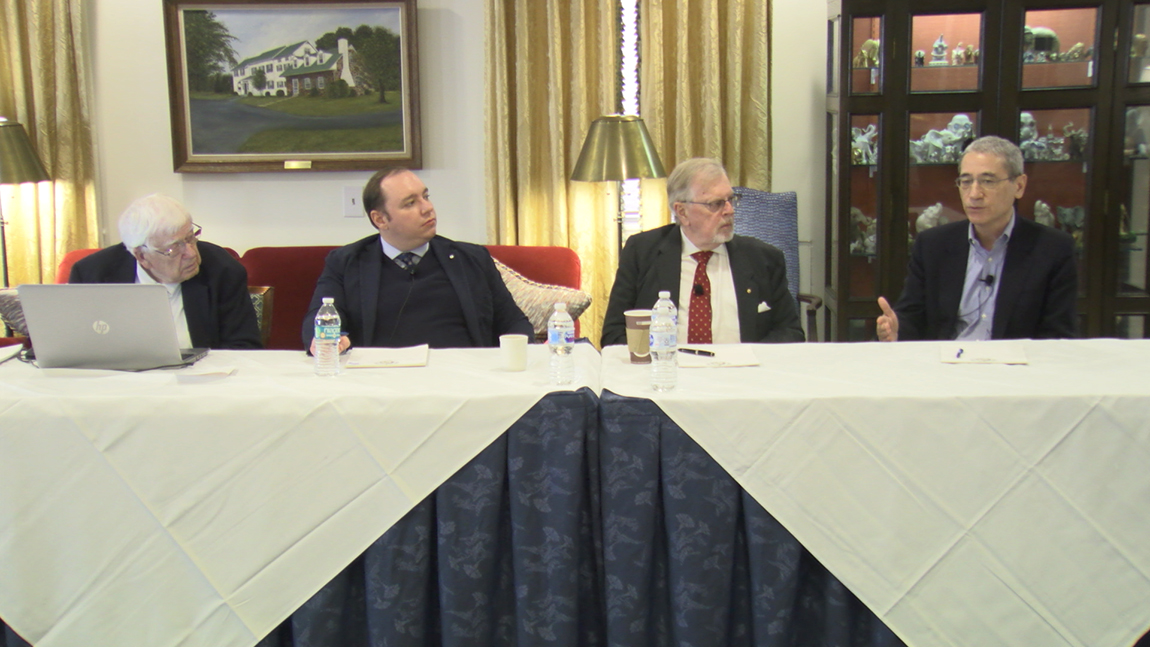
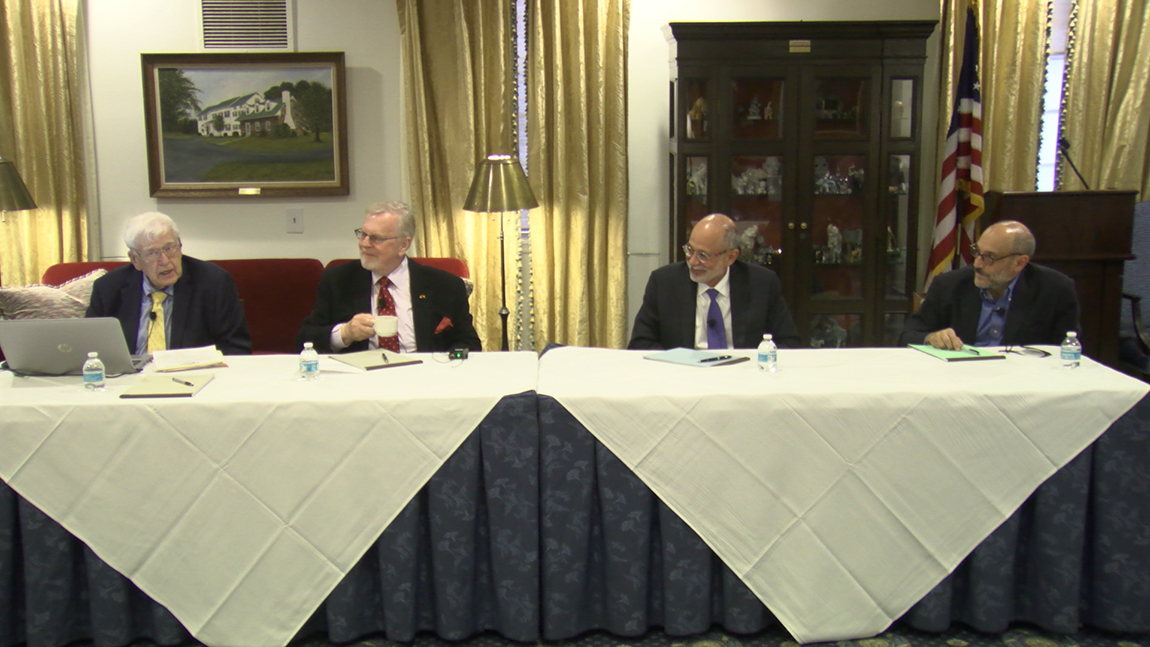
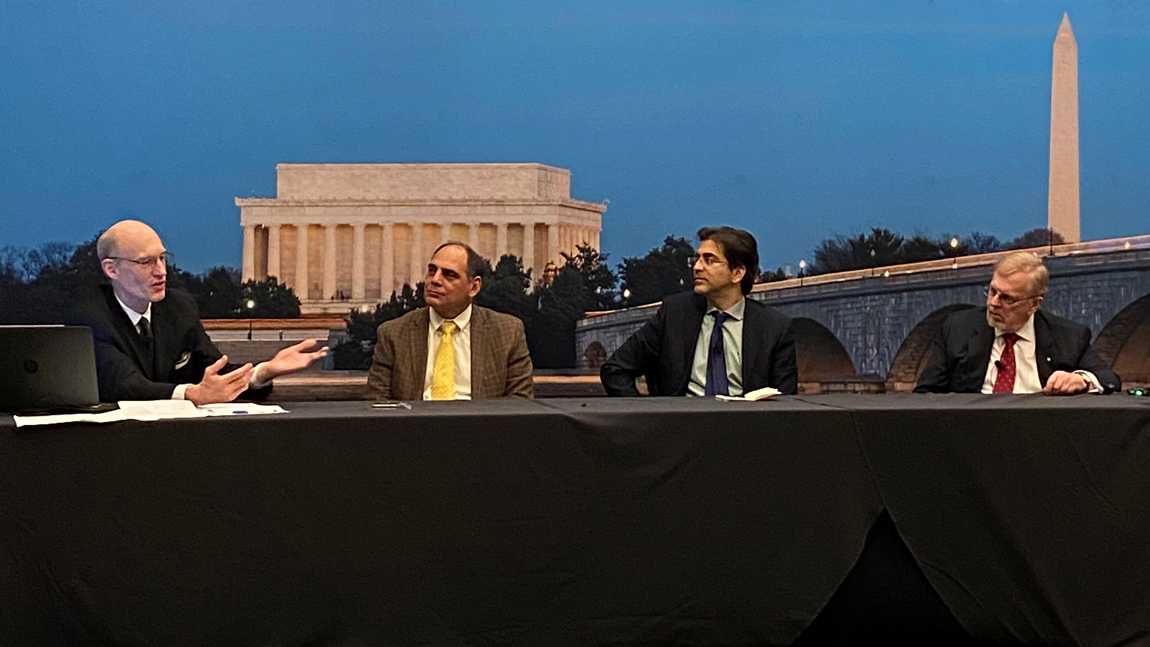
Through a distinguished panelist of experts and commentators, this one-day seminar will address these central threats within a troubled but evolving international and domestic framework.
Format
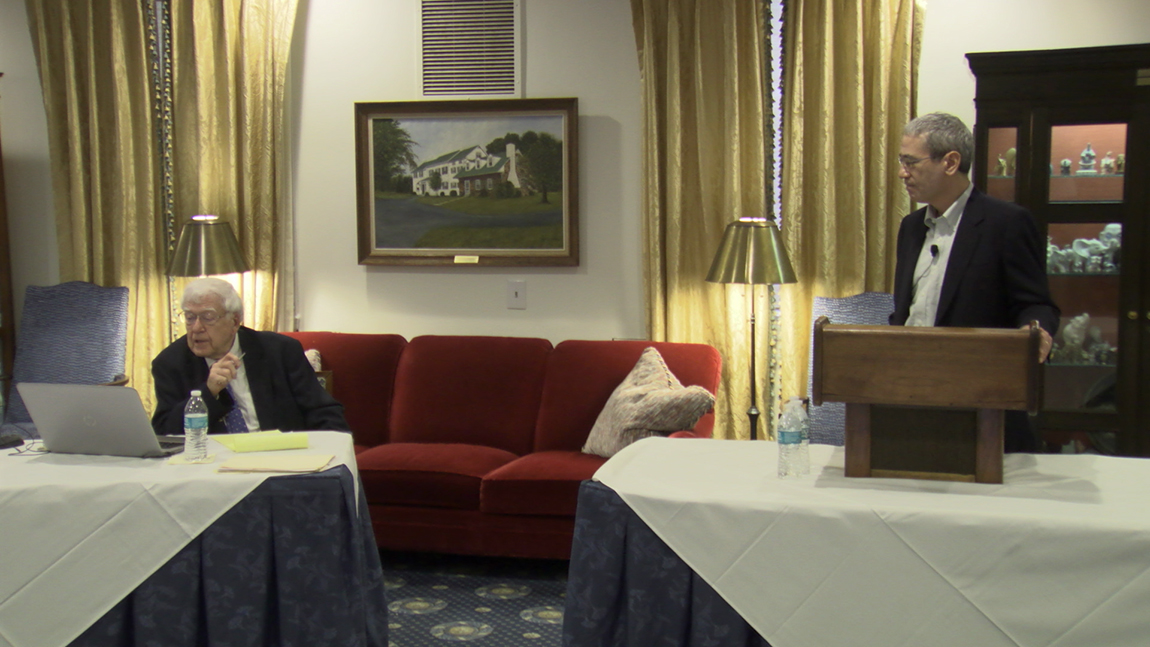
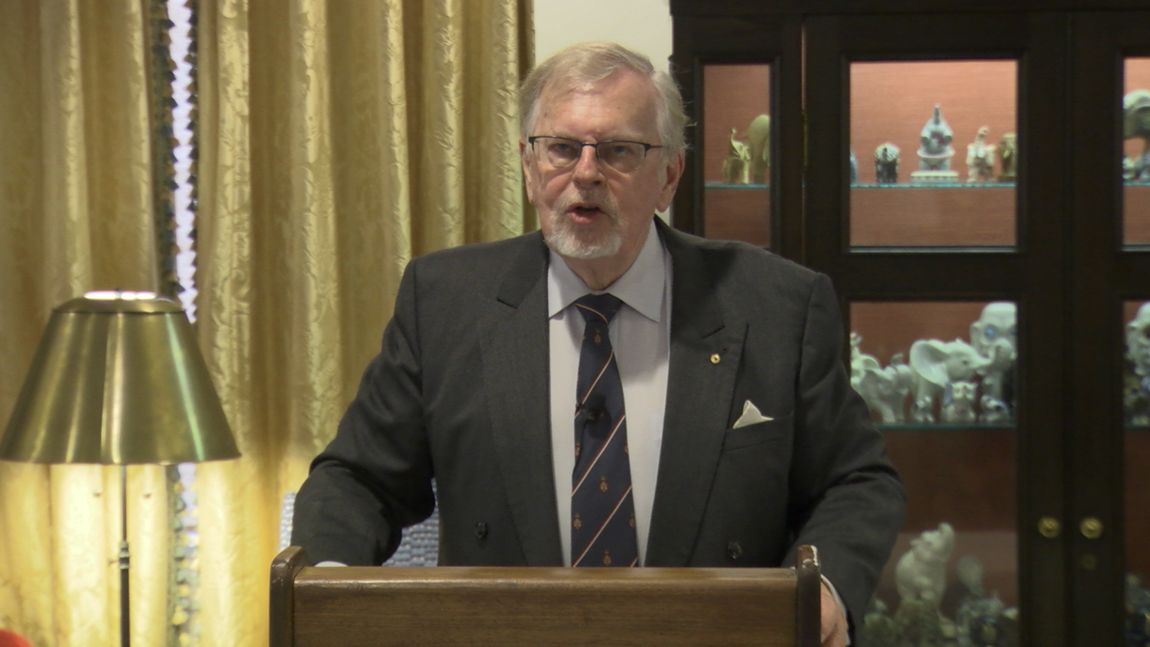
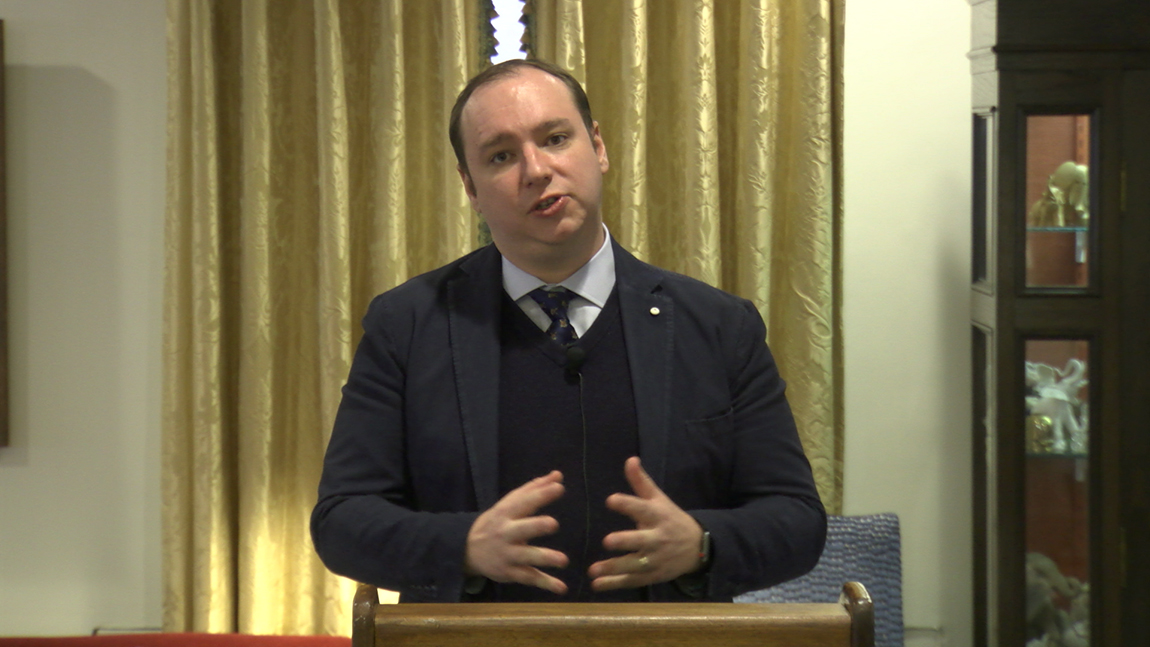
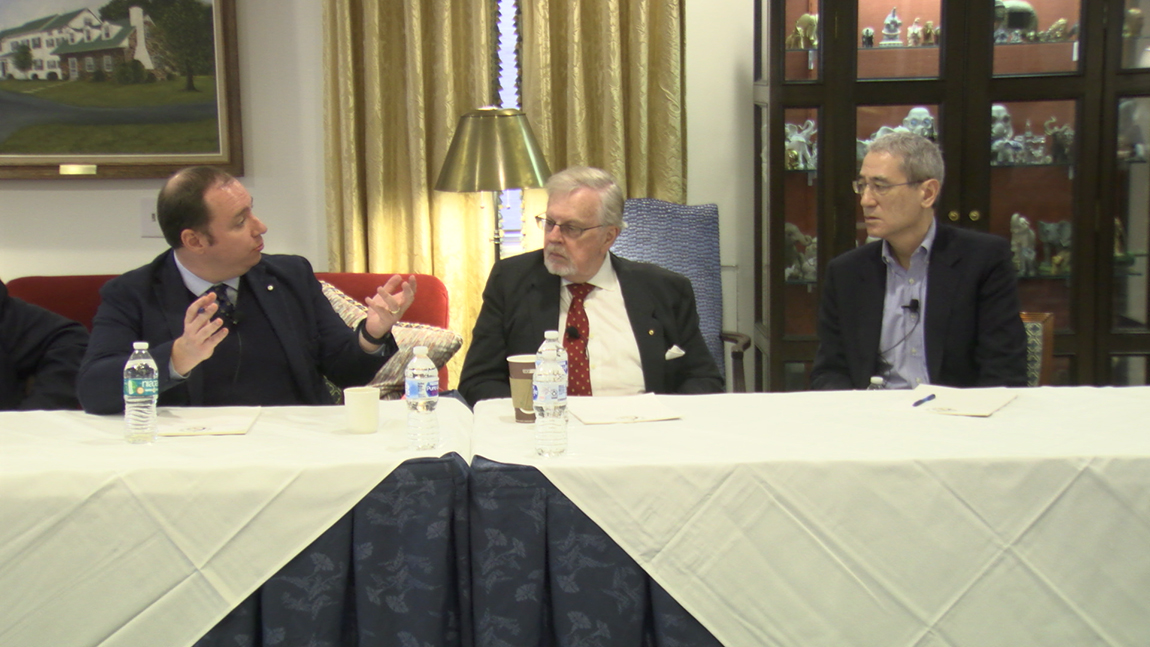
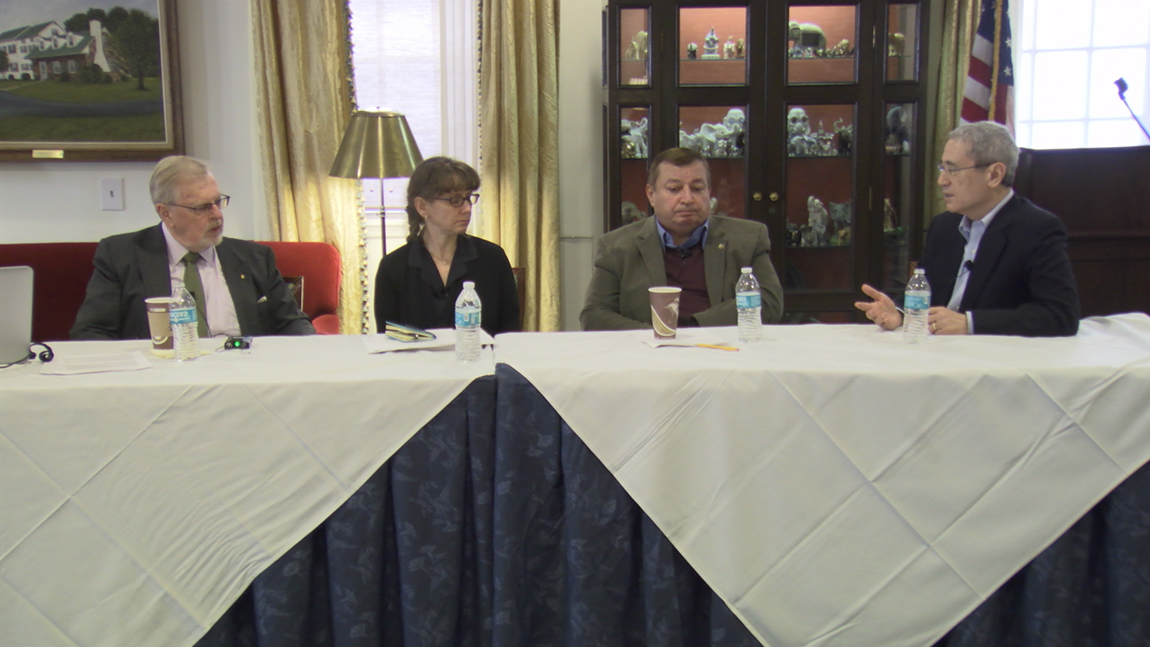
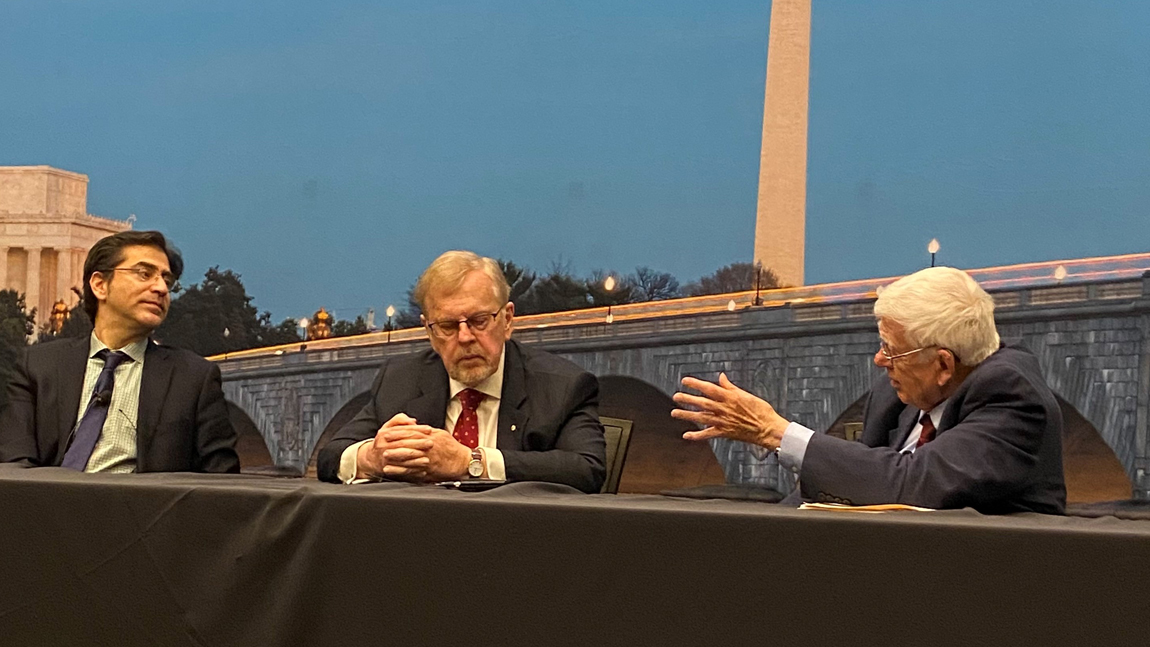
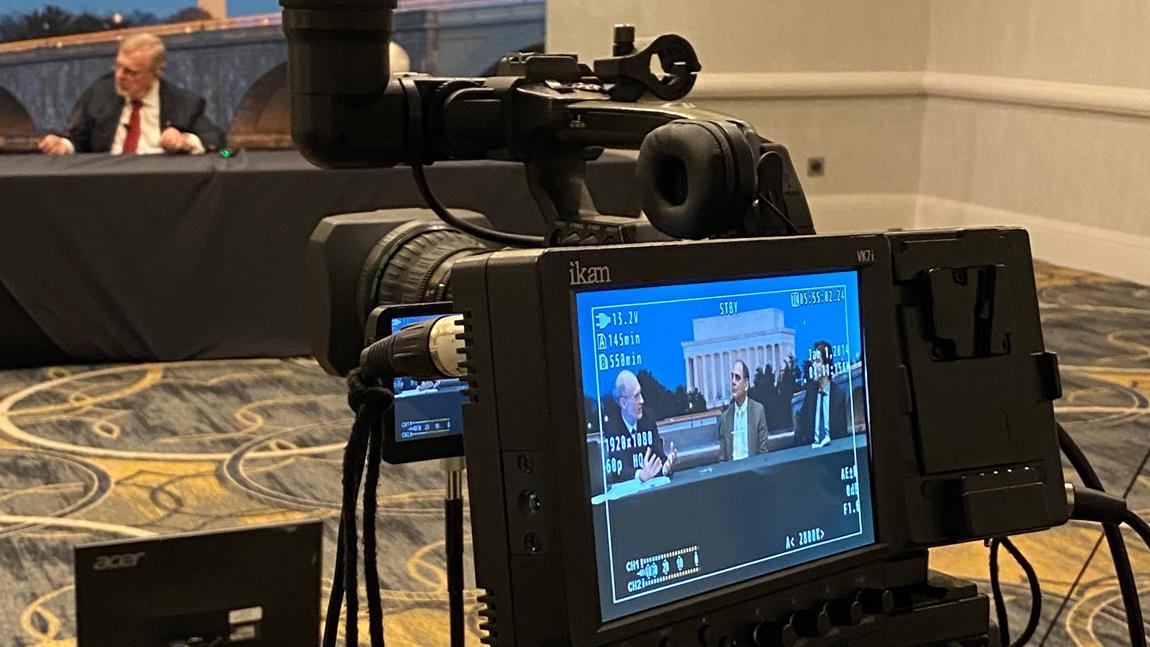
This one-day program is broadcast live from the Capitol Hill Club and streamed via YouTube (or other available platforms) to military bases and personnel around the world. The program will feature a minimum of four presentations in the morning followed by an open panel discussion in the afternoon. Questions from the attendees will be fielded by the program moderator via “chat.”
Topics
- Reflections on 20th Century Strategic Technologies and Their Unanticipated Consequences
- How Can Legacy Assets be Transformed to Meet New Threats?
- Asia in the Age of Great Power Rivalry
- Arc of Instability: A Middle East/West Asia Geopolitical Tour
- The Iranian Challenge and Future U.S.-Iran Relations
- Industries of the Future and U.S. National Security
- Nuclear Proliferation and U.S. National Security from Tripoli to Tehran and Beyond
- Latin America: A 21st Century Geopolitical Challenge
- The Russian Threat and U.S. National Interests
- Globalism vs. Sovereignty: The Vital Issue of the 21st Century
- The Changing Nature of Terrorism and Transnational Crime
- The Northeast Asian Threats Amidst U.S.-China Strategic Competition
- The Next Africa: How the U.S. Can Support the Fastest Growing Continent
- Human Rights, Humanitarian Issues, and Climate Change in the New Global Framework
Felt like “Neo” in the Matrix—mass influx of expert information in a concise and rapid-fire format. Awesome!
J.P., Air Force • National and International Secuirty Leadership Seminar May 2015Absolutely enjoyed the program's overall structure. The moderator did a great job of weaving the different topics
D. Merker, Air ForceThe speakers were excellent & the seminar was well-organized. I would definitely attend a future Alan Freed event.
S.F., Department of Homeland Security • Global Security Seminar February 2017Excellent overview of an incredibly important subject given world events and a new administration. Great insights. Great speakers. Well done!
G.G., Air Force • Transnational Issues Seminar April 2017I consider myself well-read, but this seminar opened many areas that will require additional study, consideration, and preparation. Well done!
T.H., Air Force • National and International Secuirty Leadership Seminar February 2017